




by Australian Energy Council
Conference highlights: Shared vision, Real challenges
The Australian Energy Council’s inaugural conference Energy2050: Mapping the Way Forward delivered a strong program that successfully brought together a range of energy industry CEOs and expert voices.
Despite the challenges that are part of the energy transition, keynote speaker Frank Calabria, who is AEC Chair and CEO of Origin, had one clear message: “The question isn’t whether we transition our energy system; it’s whether we do it well.”
There was an open discussion throughout the day about the costs of the transition, given the scale of the transformation that is underway. While we have seen recent electricity bill prices moving slightly lower for next financial year what we heard at the conference is that we are likely to continue to see pressure on prices and we are unlikely to see sustained, significant reductions in electricity prices over the next few years.
AEC modelling shows wholesale electricity prices trending up over the medium to longer term. Over time, it is expected that wholesale prices will stabilise around $100-$120/MWh. This compares to an average of $80-100MW/h in recent years.
As noted by speakers, project costs have increased substantially and Mr Calabria cited a 50 per cent surge in the cost of building wind farms since 2020 to illustrate the scale of the problem of delivering the large-scale infrastructure needed for the transition.
He also pointed to an overall structural problem in Australia with “the cost of getting things built – it is a handbrake on economic growth, and it is a handbrake on the energy transition, and we cannot solve that inside the energy sector alone.”
Alinta CEO Jeff Dimery, who was involved on the day as a panellist, also lamented the spiralling construction and transmission build costs that are pushing out project timeframesi.
There is a consensus not just on the direction of change but also the need for all parties – governments, regulators, industry - to work together to deliver the new energy system. In doing that we need to bring the community along.
In her opening remarks, AEC CEO Louisa Kinnear said it was time for an open and honest conversation with Australians about the costs and challenges of the transition “borne not just by the desire for a cleaner greener grid, but to pay for what is an enormous investment task that will modernise our energy system and ensure its security for decades to come”.
There was general praise and acknowledgement for the NEM Review process undertaken by a Federal Government-appointed expert panel, which was led by Tim Nelson, with Ms Kinnear calling on Federal and State governments to not just prioritise the NEM Review implementation, but (continuing the theme of openness), also to be more transparent about how it will be implemented.
“Industry continues to retain the goodwill from the review process and wants to be engaged now in these discussions, not in six months' time when implementation decisions have been made and industry is merely expected to deliver on it,” she told attendees.
There is a shared perspective and agreement on the direction forward: The transition will be delivered by bulk wind and solar, firmed by batteries, long duration storage and hydro, backed up by gas.
The important role long duration storage will play was a feature of comments by Snowy Hydro CEO Dennis Barnes. As the grid continues to transition yearly or biennial events could see low or no renewable generation for 3 to 4 days, and when we are considering 1 in 10 or 1 in 15 year events those timeframes could be longer. Pumped hydro and gas will be needed to ensure supply. If Snowy 2.0 is pumping or generating 60 per cent of the time, that will fundamentally change how we see supply and demand in the energy system of the 2030s and beyond.
In other years, as outlined by Josef Tadich, who leads Tesla Energy in Australia, when the sun is shining and winds are blowing, energy will be in abundance. The opportunity for us is to fully harness it to be benefit of all. We will need to reward Australians who are investing in energy assets and as noted by Energy Consumers Australia’s CEO, Brendan French, design a system can also deliver broad public value.
The conference drew together a broad and diverse range of expertise and presented an important opportunity to share views. Overwhelmingly there was a commitment to deliver an energy transition in such a way that that it enables a modern Australian energy ecosystem.
The AEC thanks all the keynote speakers and panellists for their valuable contributions, as well as Snowy Hydro for their sponsorship of the day. Our thanks too go to all those who attended and showed a real appetite for these discussions. They will continue to form an important part of a broader conversation about the transition. For that reason we look forward to delivering more of these platforms.
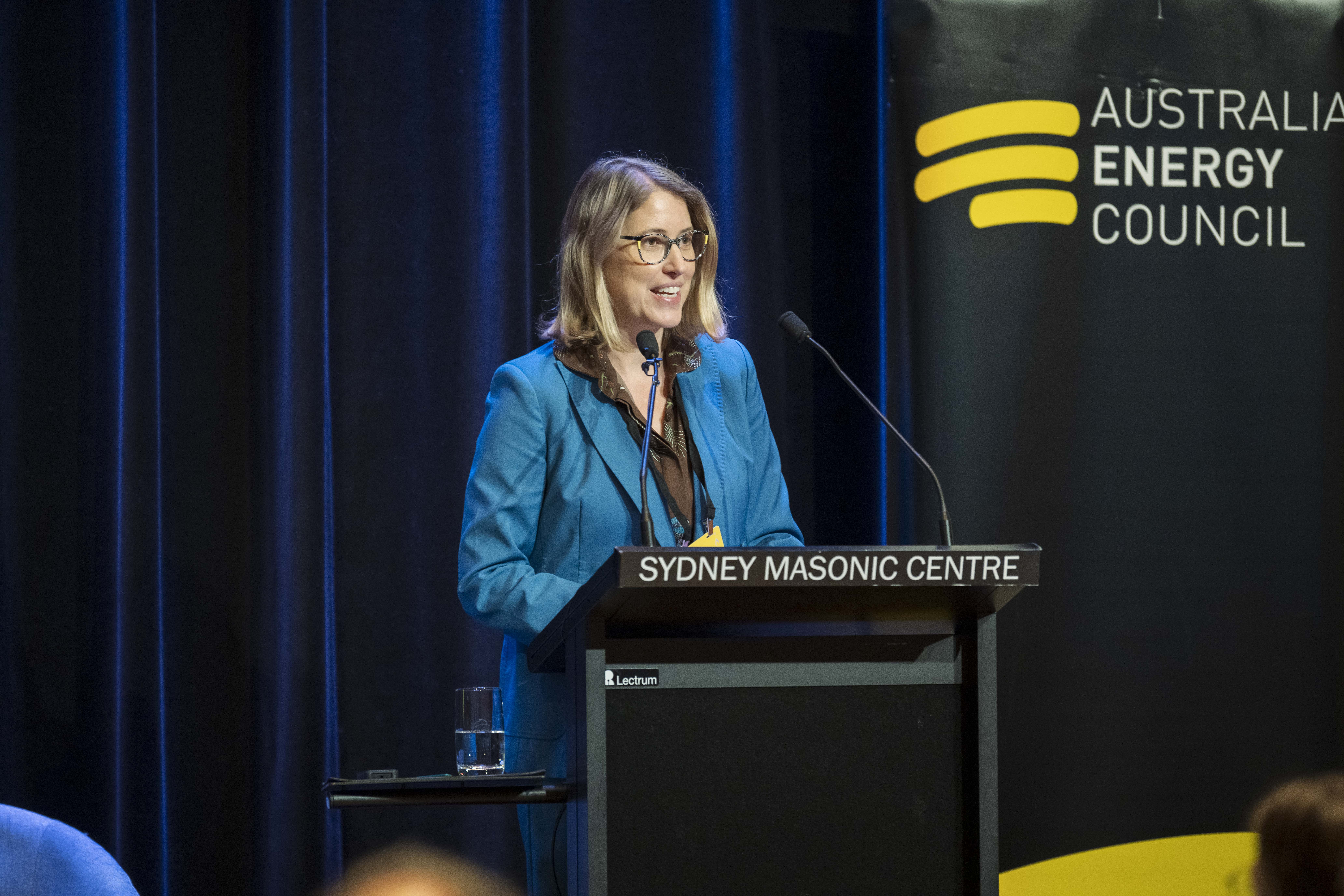
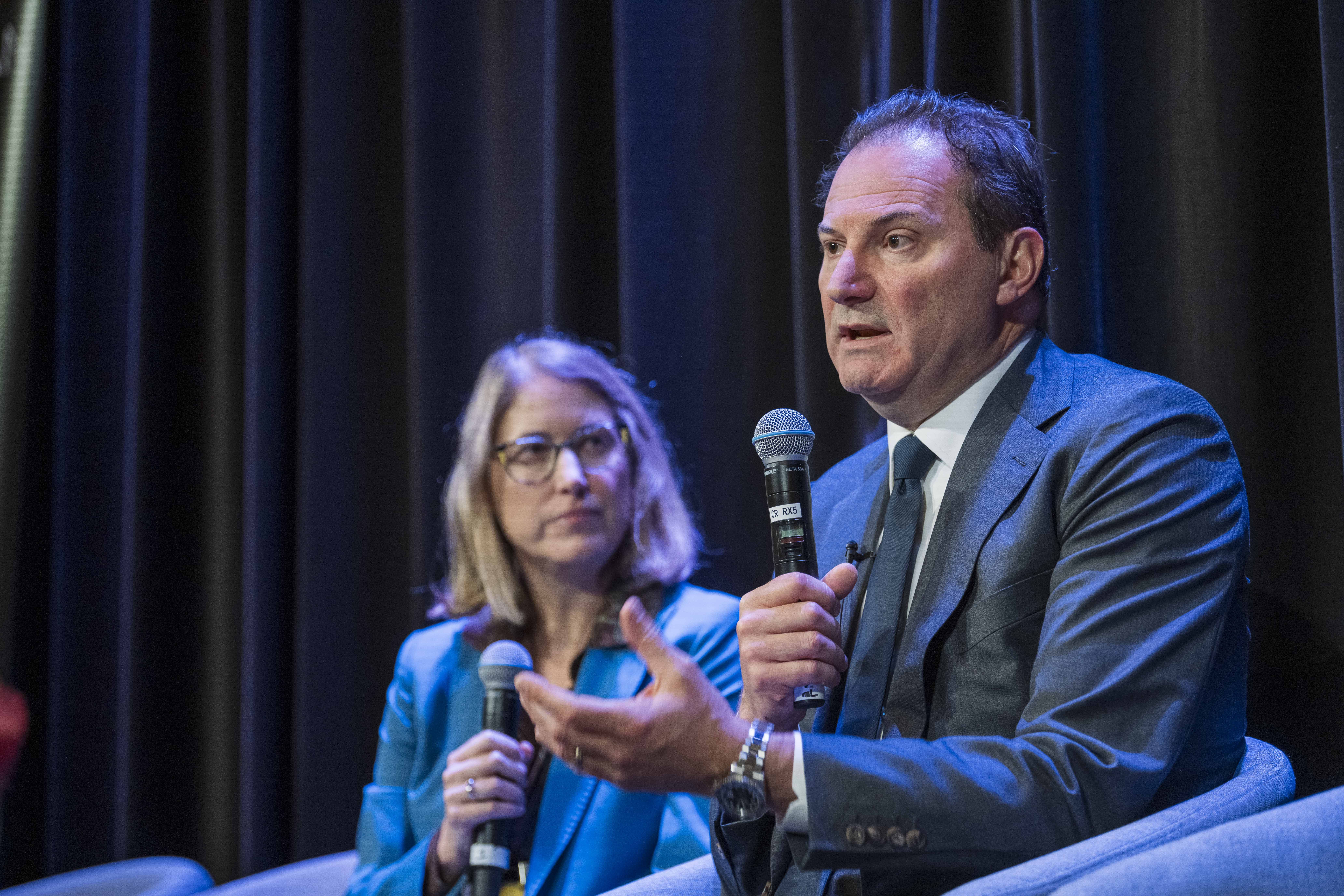
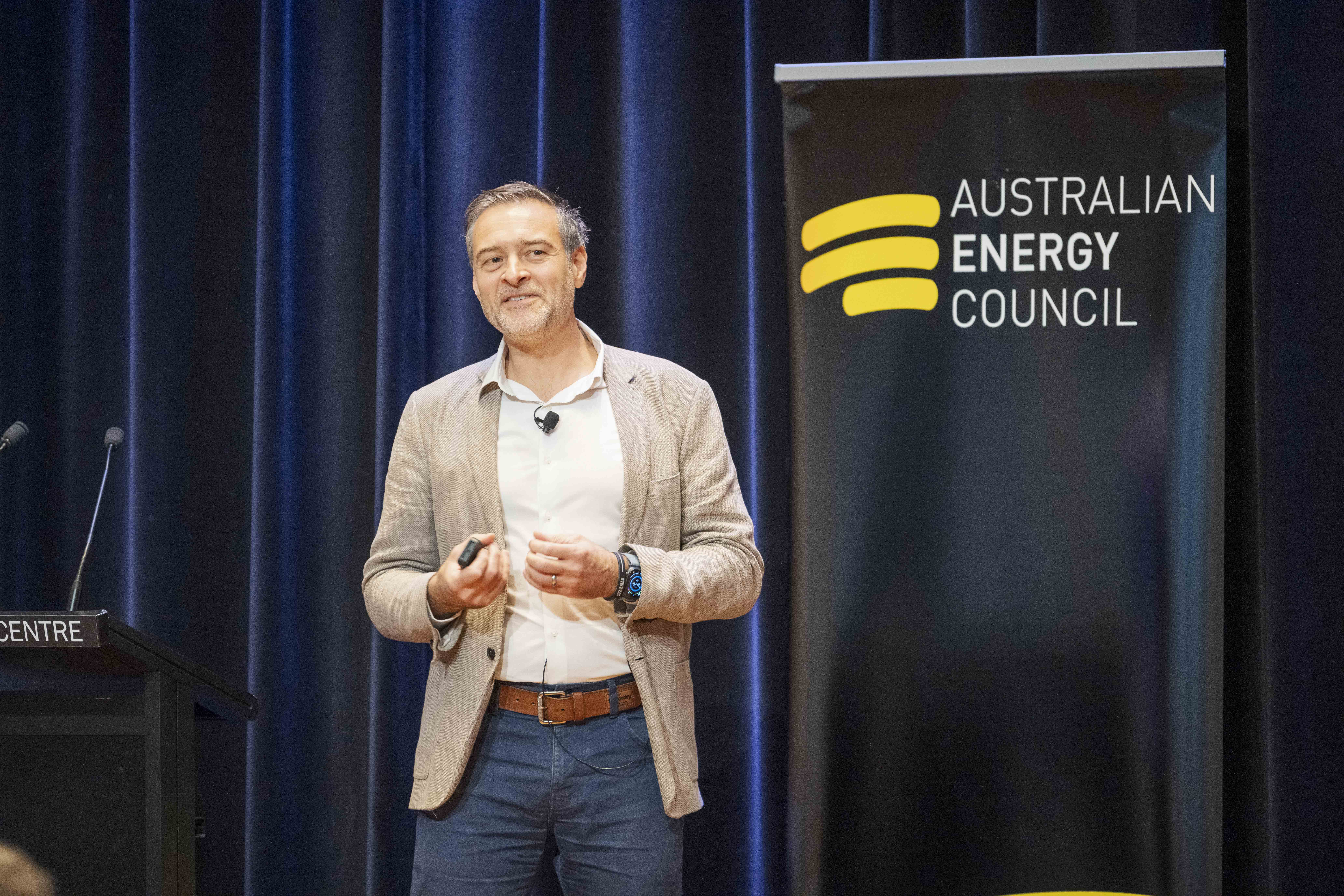
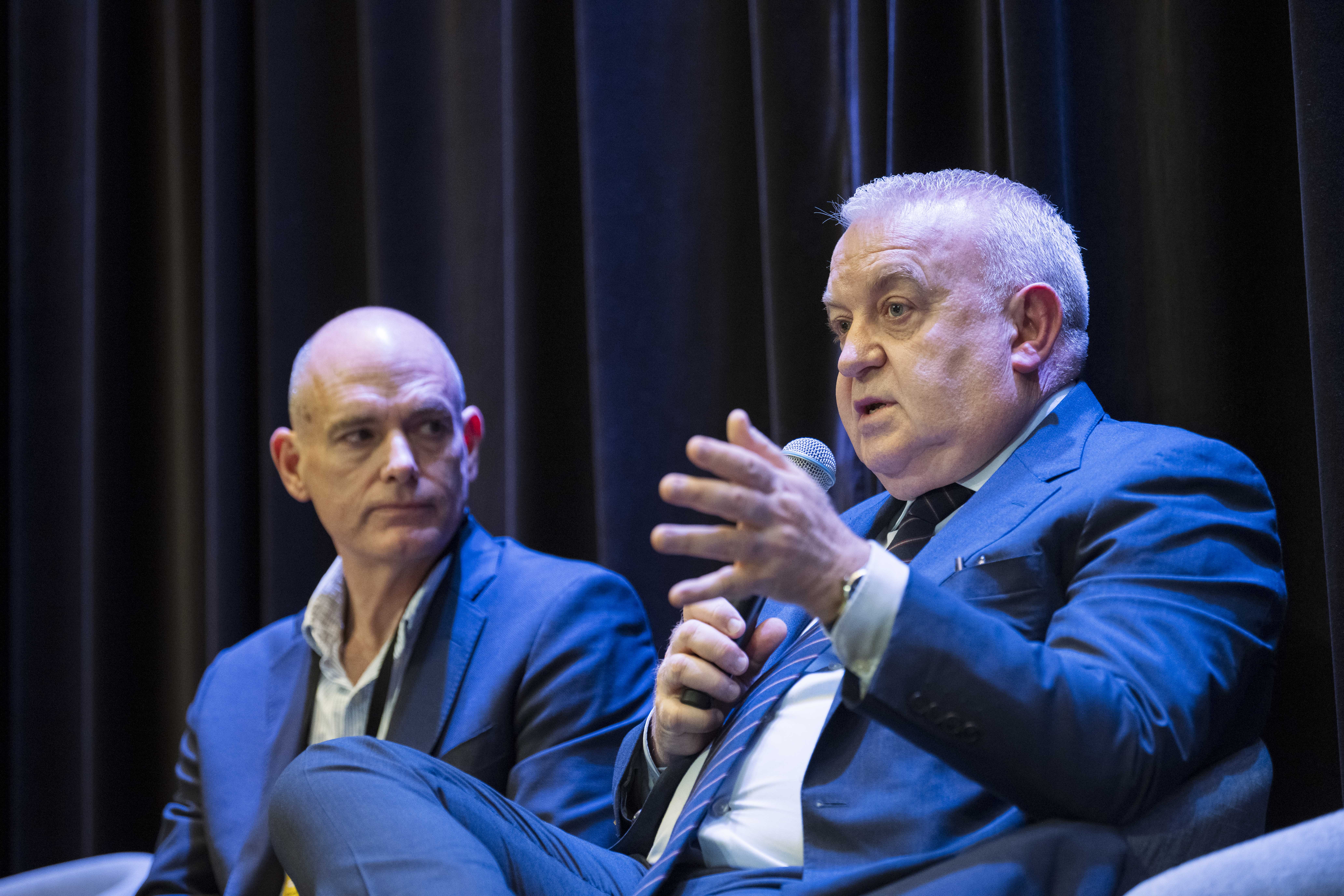
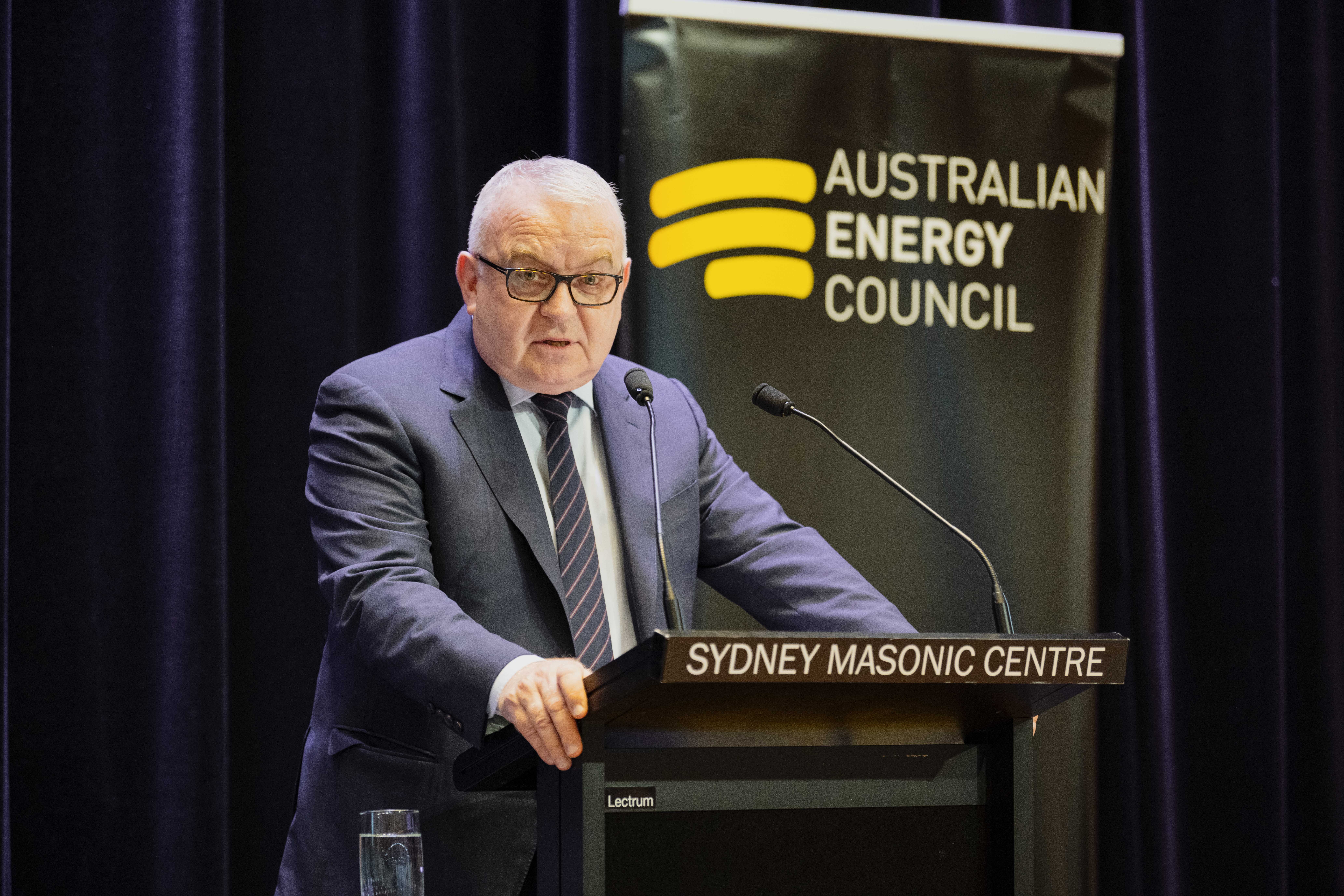
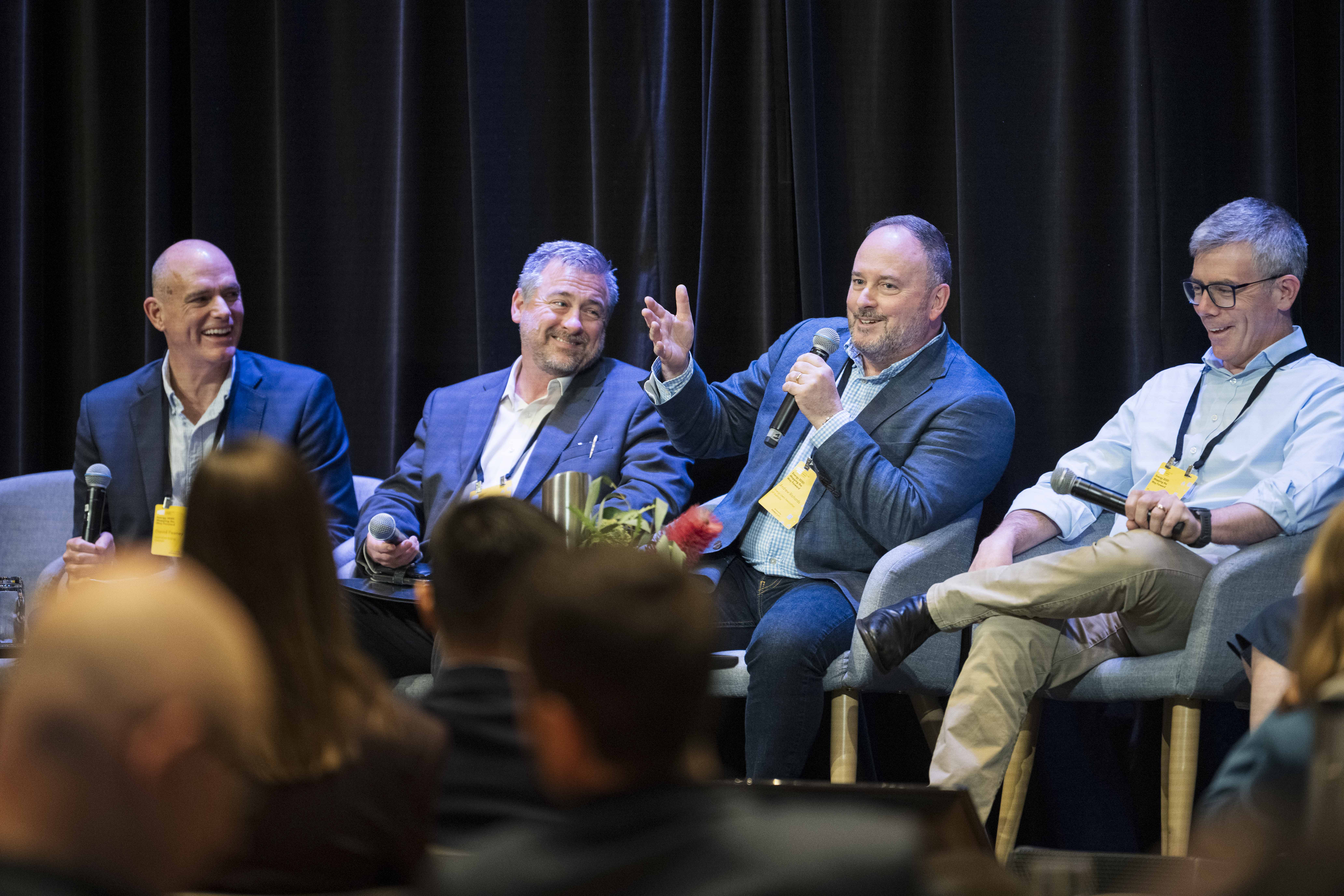
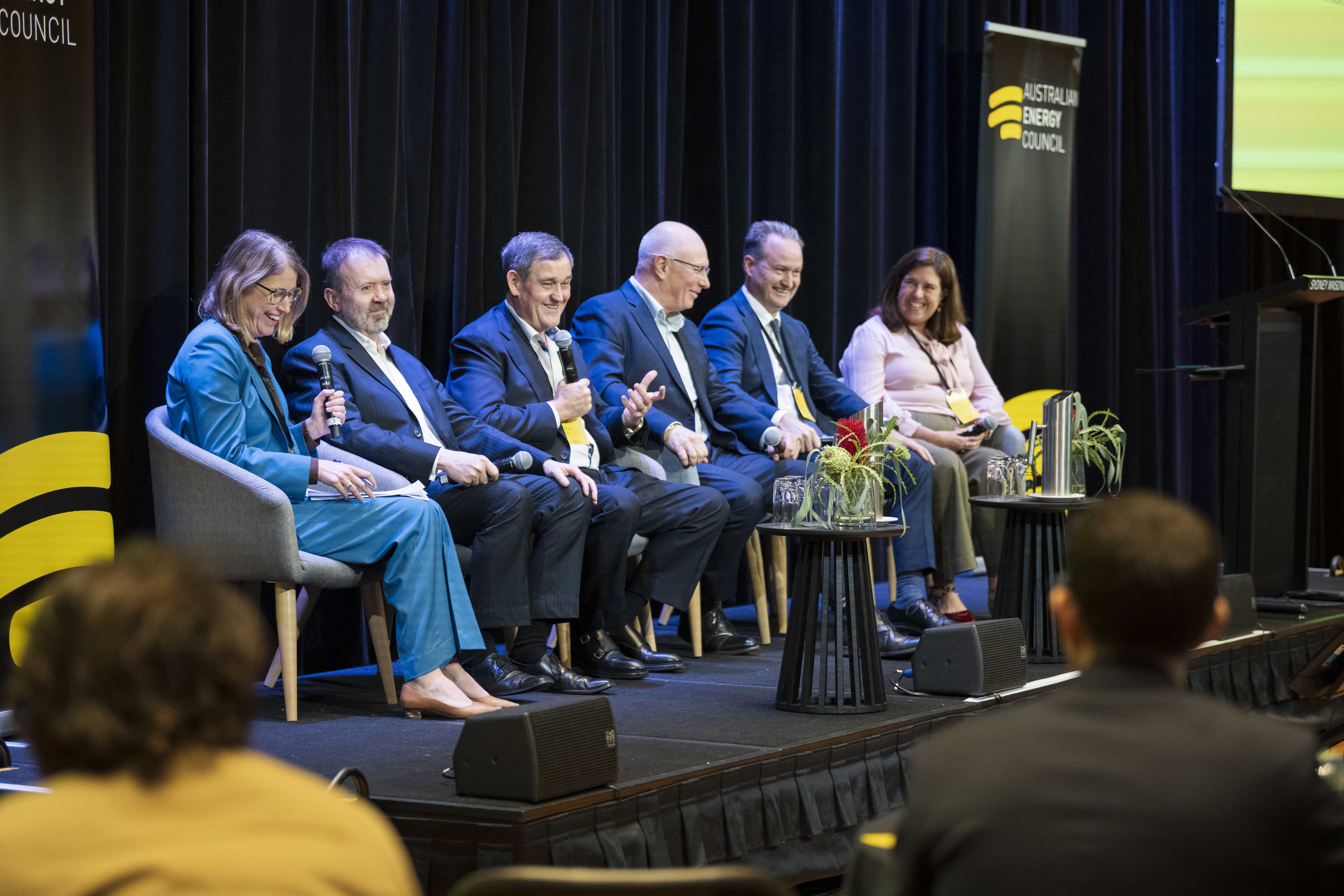
Conference images below show (from top to bottom):
- AEC CEO, Louisa Kinnear, opening the conference
- Louisa Kinnear with Frank Calabria, AEC Chair and Origin CEO
- Josef Tadich, Tesla Energy, Regional Director Energy APAC
- Dennis Barnes (right), Snowy Hydro CEO Q&As. With AEC GM Wholesale and Environment, David Feeney
- Dennis Barnes outlines the importance of long duration storage
- Panel Discussion: David Feeney, Matthew Brine (Deputy Secretary Energy Group, DCCEEW), Andrew Richards (CEO Energy Users Association of Australia), Prof Tim Nelson (Griffith University and previous lead NEM Review expert panel).
- Panel discussion: Louisa Kinnear, Brendan French (CEO Energy Consumers Australia), Jeff Dimery (CEO Alinta Energy), Sam Pearce (CEO Collgar Renewables), Michael Weaver (GM Mid Risk Assets & UK, Australian Retirement Trust), Renene Windsor (Industry Director, Transmission and Distribution, Aurecon).
Related Analysis
Ireland’s Green Energy Rule: What Can Australia Learn From Its Approach to Data Centres?
A recurring theme at the Australian Energy Council’s inaugural Energy2050 Conference was the challenge of managing the rapid growth of data centres and their increasing electricity demand. While data centres present a significant economic opportunity for Australia, policymakers are grappling with how to support investment while minimising impacts on customers, the electricity system, and emissions. We take a look at Ireland’s recently introduced data centre policy and explore the lessons it may offer for Australia.
One week to go: the conversations set to shape the AEC’s inaugural conference
There’s only one week to go until the Australian Energy Council’s inaugural conference, Energy2050: Mapping the Way Forward, and in a crowded calendar of energy events, we wanted to create something different. Rather than focusing on politics and headlines, Energy2050 will bring together the people tasked with actually delivering the transition to explore the practical reforms, technologies and market settings needed to build a reliable, affordable and lower-emissions energy system. With senior leaders from across generation, retail, networks, investment, consumer advocacy and technology, the conference is designed to spark the conversations the sector should be having right now. So, why should you come? Here’s what we think sets Energy2050 apart.
From Energy to Flexibility: Rewiring Australia’s Wholesale Markets for Net Zero
Australia’s path to net zero will depend not only on new technologies, but on fundamentally reshaping the markets that underpin the energy system. As coal exits, renewables, storage and consumer energy resources will drive a far more dynamic and decentralised National Electricity Market, where flexibility becomes the critical commodity. We explore the market reforms, investment signals and system changes required to deliver a secure, affordable and reliable Energy2050 future, themes that will also sit at the centre of the Australian Energy Council Conference 2026 in Sydney on 4 June.
Send an email with your question or comment, and include your name and a short message and we'll get back to you shortly.